CLIMATE-RESILIENT PHOTOSYNTHESIS: ADAPTIVE MECHANISMS OF C4 AND CAM PLANTS UNDER EXTREME ENVIRONMENTAL CONDITIONS
Abstract
Climate change poses a profound challenge to plant productivity, particularly in ecosystems that experience extreme environmental fluctuations such as arid, semi-arid, and tropical regions. Water scarcity, elevated temperatures, and variable atmospheric CO2 levels have a direct impact on photosynthetic efficiency, crop yields, and global food security. In this context, plants that have evolved specialized photosynthetic pathways—namely C4 and Crassulacean Acid Metabolism (CAM)—offer critical insights into adaptation and resilience. These two pathways serve as evolutionary innovations that mitigate the inefficiencies of the conventional C3 pathway, particularly the issue of photorespiration, which is exacerbated under high heat and drought.
Downloads
Published
2022-01-01
Issue
Section
Articles
How to Cite
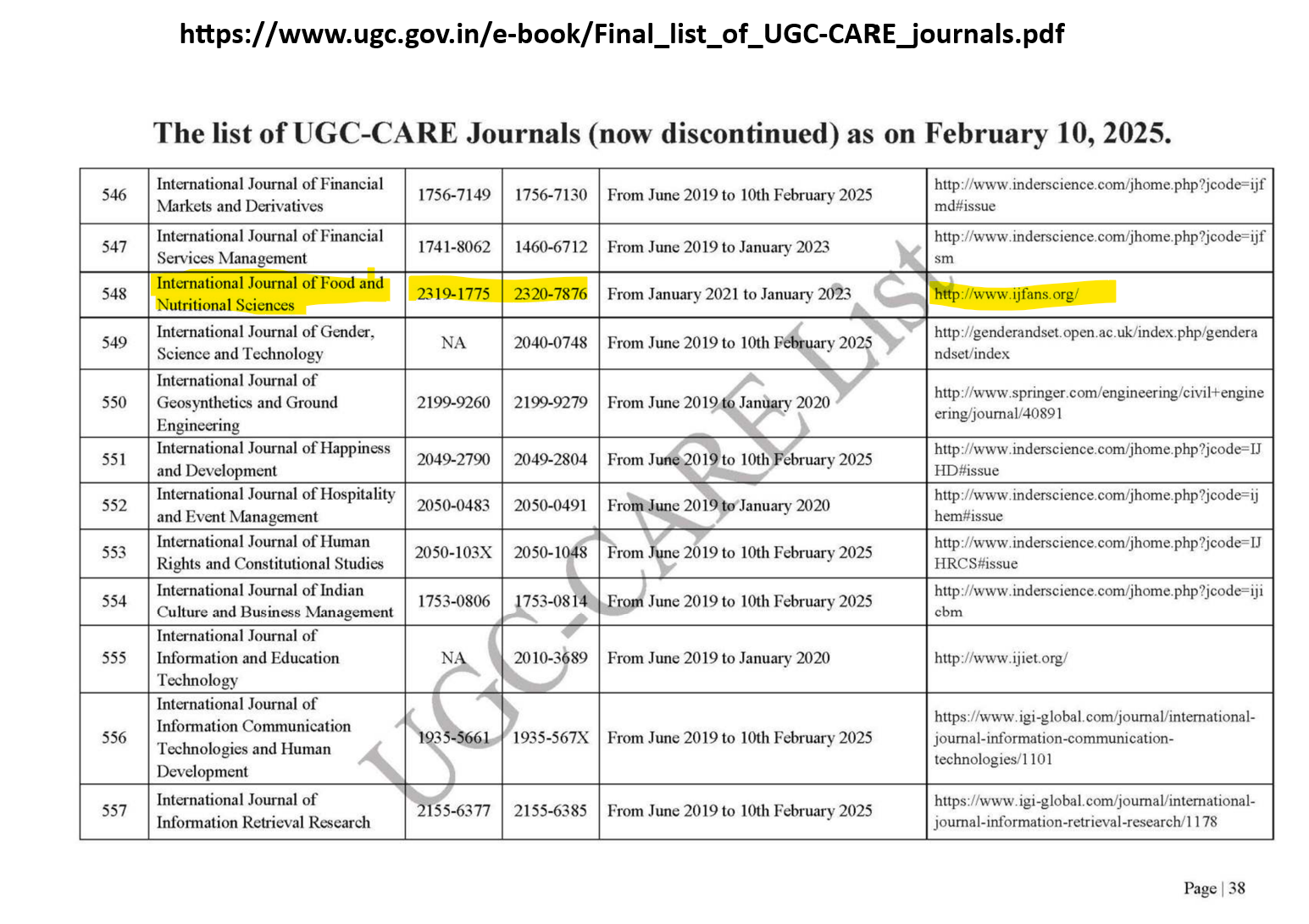
CLIMATE-RESILIENT PHOTOSYNTHESIS: ADAPTIVE MECHANISMS OF C4 AND CAM PLANTS UNDER EXTREME ENVIRONMENTAL CONDITIONS. (2022). International Journal of Food and Nutritional Sciences, 11(13), 3845-3855. https://ijfans.org/index.php/Journal/article/view/7995