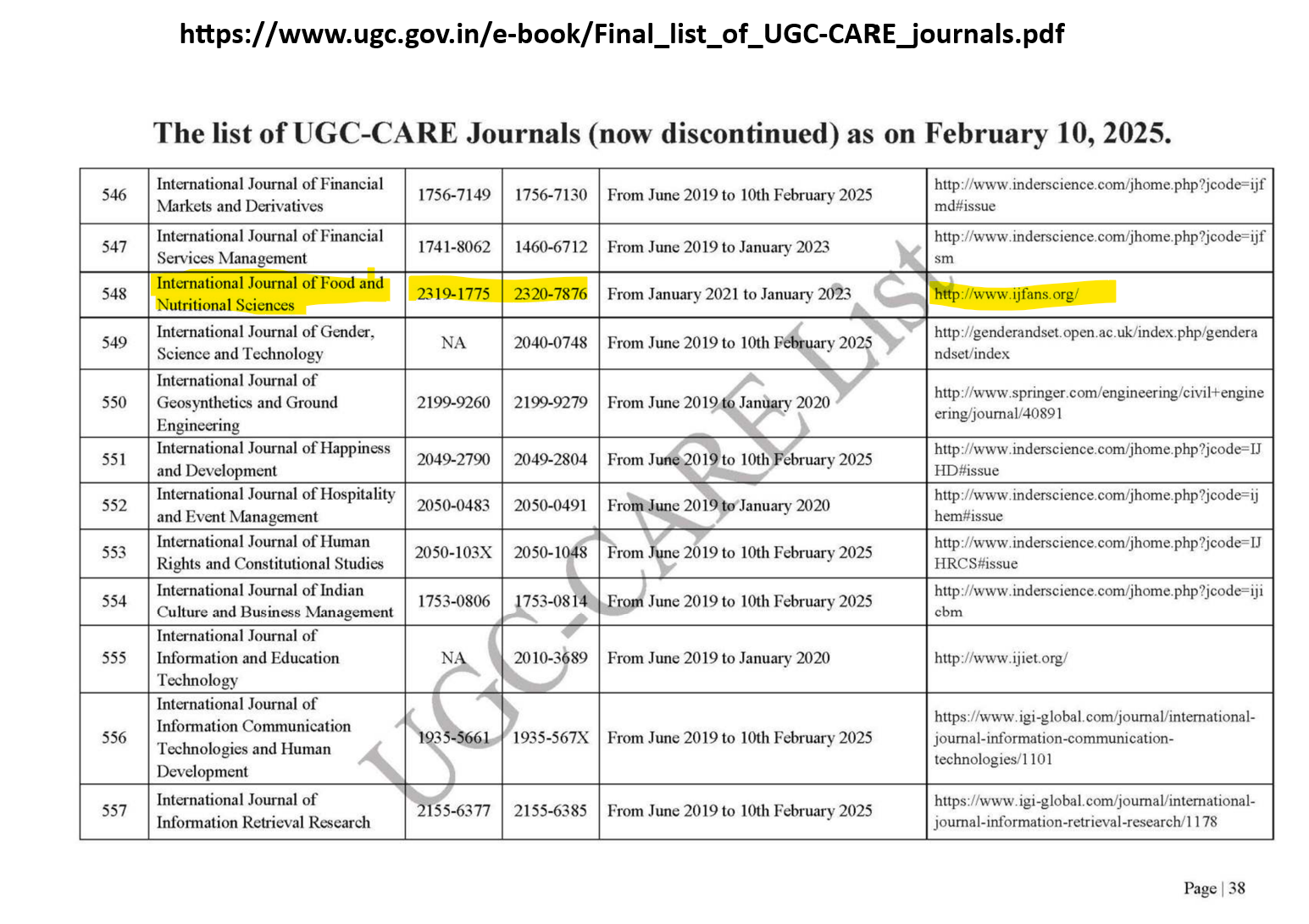
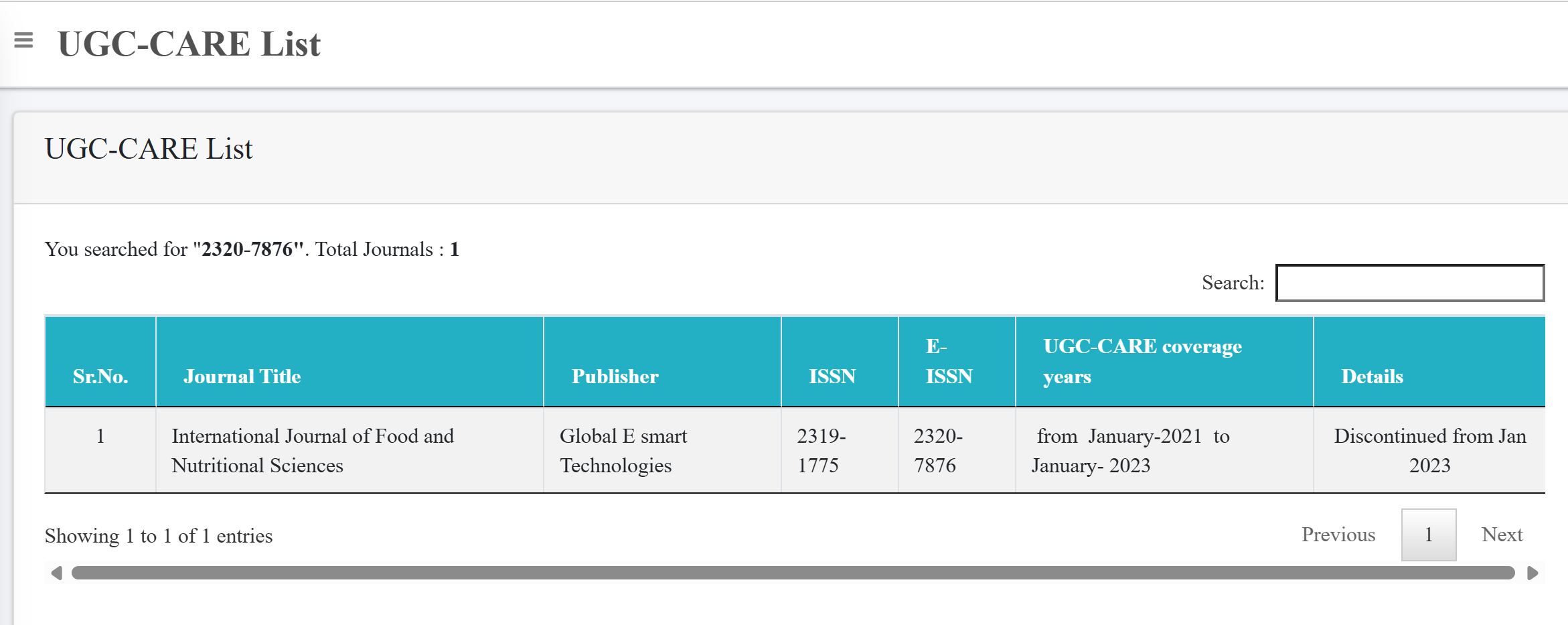
EFFECTIVENESS OF PLASTIC WRAP IN PREVENTING OF HYPOTHERMIA AMONG PRE- TERM INFANTS AT SELECTED HOSPITALS OF UTTAR PRADESH.
Abstract
Neonatal hypothermia is defined as, when the axillary body temperature less than 36.5 degree Celsius. Newborn period is from birth to first 28 days. It is crucial period for the survival of the baby. A timely care to be provided to that newborn, if certain things are not done in time, it will not affect the survival of that baby, but it may carry some bad effects throughout his/her life. The objectives of the study were to determine the level of hypothermia before and after use of plastic wrap in control group and experimental in preterm infants, to determine the effectiveness of plastic wrap in preventing hypothermia in preterm infants, to find out the association between temperature variation and demographic variables of preterm infants after the administration of plastic wrap. The researcher adopted quasi experimental, non-equivalent control group pre-test and post-test research design for the study. The study was conducted among pre-term infants with hypothermia in selected Midland hospital and research centre and Charak hospital and research centre. The researcher used purposive sampling technique to select 550 samples, in which 275 were selected as experimental group and 275 were control group. Bio- physiological method was used to prevent hypothermia prepared by researcher itself. Data collected and analyzed by use of descriptive and inferential statistics. In experimental group plastic wrap is administer for 3 days 6 hours in morning and afternoon. The result was made on the basis of objectives of the study. In experimental group pre-test in experimental group 56% had normal, 0.0% had mild hypothermia, 60% had moderate hypothermia and 56.7% had severe hypothermia. In control group 0.0% normal, 0.0% mild hypothermia, 70.0% had moderate hypothermia and 56% had severe hypothermia. In experimental group post-test 84% had normal, 56% had mild hypothermia, 0.0% had moderate hypothermia and 0.0% had severe hypothermia. In control group 0.0% had normal, 0.0% had mild hypothermia, 64% had moderate hypothermia and 48% had severe hypothermia. In comparison pre-test the mean, standard deviation and unpaired t- test of experimental group was 93.19+4.62 and control group was 92.10+4.39 Significant differences was found between the study groups (p